
There is a particular kind of joy that lives in tile-laying games, and I think about it more than is strictly reasonable. It is the joy of the slow build, the satisfying click of one piece settling next to another, the moment when your little patch of cardboard suddenly looks like a place. I have a soft spot for games that ask me to draft a tile, turn it over in my hands, and find exactly the right home for it. They scratch a creative itch and a strategic one at the same time, and that combination keeps me coming back.
What I love most is that the board you finish with is something you made. Not a score on a pad, not a pile of cubes, but an actual little world. A garden. A kingdom. A quilt. A volcanic island bristling with huts. When the game ends, you get to sit back and look at the thing you grew tile by tile, and more often than not it is genuinely lovely to look at. That is rare. Most games leave the table looking like a tornado hit a craft store, but these leave behind something you almost do not want to put away.
So I gathered up my favorites, the ones where placement is the whole point and the result is as pretty as it is clever. Some are quick two-player duels, some are relaxed solo-friendly puzzles, and a couple are big enough for the whole table. They range from cozy to cutthroat, but they all share that lovely build-it-as-you-go feeling. Here are the tile-laying games I keep reaching for, and why each one earns its spot on my shelf. If you are interested in the related blog post click on the link under the photo and if you are interested in purchasing the game click on the photo.
Azul

Azul is the game I hand to people who say they do not like board games, because it almost always wins them over. You are decorating the walls of a royal palace, drafting gorgeous resin tiles from shared factory displays and arranging them in neat rows before sliding them onto your personal board. The catch is that greedy drafting leaves you with broken tiles that cost you points, so every pick is a tiny negotiation between ambition and restraint. It feels tactile and calming and just mean enough to keep things interesting, because the tiles you do not take go to your opponents. It fits this list perfectly: the mosaic you build is the whole reward, and a finished Azul board is a real little work of art. It is for anyone who wants beauty and brain in equal measure.
Kingdomino
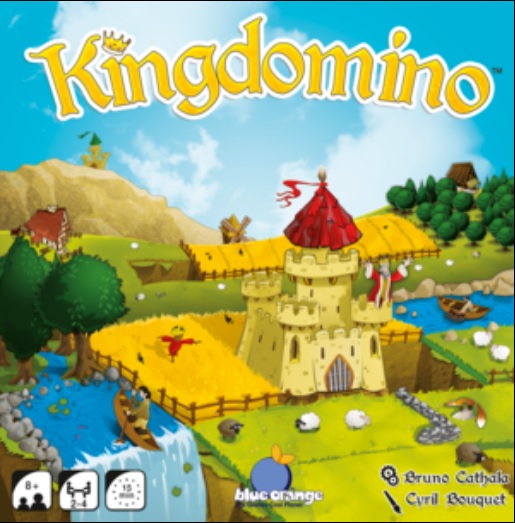
Kingdomino takes the humble domino and turns it into a kingdom-building delight. Each turn you choose a domino showing two terrain types, then connect it to your growing four-by-four realm, trying to cluster matching lands and stack up crowns that multiply your score. The clever twist is in the drafting order, because picking a powerful tile shoves you to the back of the line next round, so you are always weighing greed against position. Games are brisk, the rules land in about two minutes, and yet there is real spatial puzzle tension in fitting everything inside your tight little grid. It belongs here because you are quite literally laying tiles to grow a board, and watching your kingdom take shape is half the fun. It is wonderful for families and for anyone who wants big satisfaction in a small package.
Read my full Kingdomino write-up
Calico
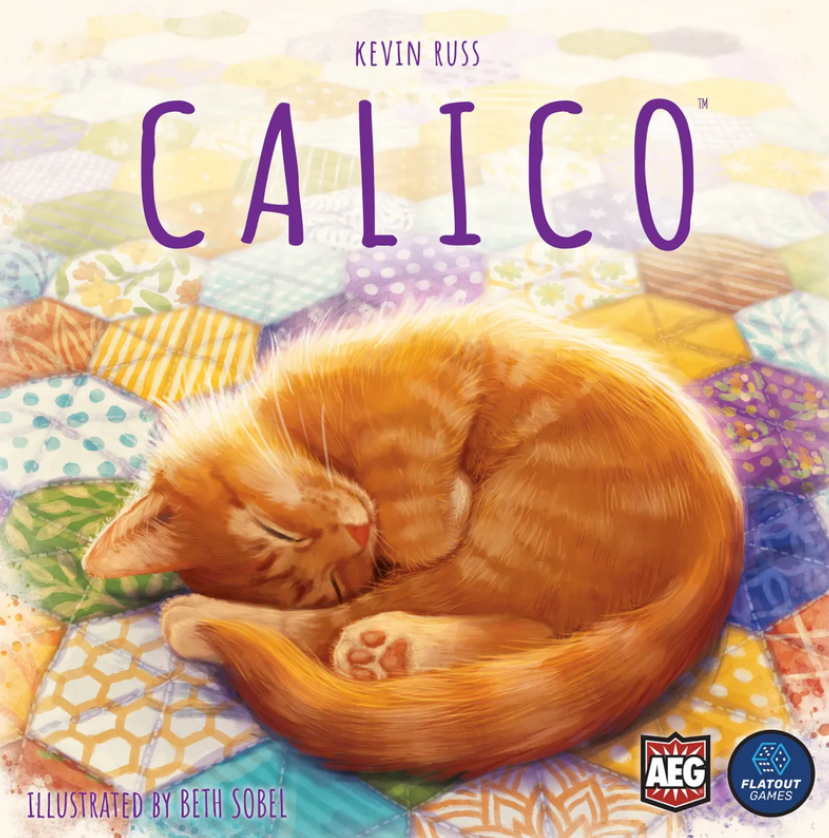
Calico is the coziest cutthroat game I own, which sounds like a contradiction until you try to place your fourth hexagon and feel your blood pressure climb. You are sewing a quilt, drafting patches of different colors and patterns and stitching them onto your board to satisfy finicky scoring goals while coaxing adorable cats to curl up on the right arrangements. The tension comes from the fact that color goals and pattern goals pull you in opposite directions, so every patch is a small heartbreak of a decision. It looks soft and sweet, but it is a genuine brain-burner under the quilted surface. It earns its place because the joy is all in the placement, in building a patchwork that is both pretty and points-rich. It is for puzzle lovers who like their challenges wrapped in something charming.
Cascadia

Cascadia might be the most relaxing strategy game I know, and I mean that as the highest compliment. You draft pairs of habitat tiles and wildlife tokens, fitting hexagons together into sprawling Pacific Northwest landscapes while placing animals to form the patterns each species prefers. There is no take-that, no one knocking down your forest, just you and a quiet puzzle that opens up a little more every turn. The decisions are gentle but real, because the tile and the token come as a pair and you rarely get both exactly where you want them. It is a natural fit for this list, since you are growing a beautiful interconnected board one hex at a time. It is perfect for solo evenings, mixed-experience tables, and anyone who finds peace in a tidy ecosystem.
Read my full Cascadia write-up
Patchwork

Patchwork is the two-player quilt duel that proves a tiny game can deliver an enormous puzzle. You and one opponent take turns buying oddly shaped fabric patches and squeezing them onto your personal nine-by-nine board, spending buttons as currency and racing along a shared time track. The brilliance is in the squeeze, because empty squares cost you at the end, so you are forever hunting for the patch that fills that awkward gap just right. It is tense and intimate and surprisingly thorny, a real wrestling match dressed up as arts and crafts. It belongs here because placing patches to build the neatest quilt is the entire game, and a finished board is genuinely satisfying to behold. It is the one I reach for when it is just me and one other person who wants a proper duel.
Read my full Patchwork write-up
Taluva

Taluva is the tile-layer that goes vertical, and stacking those pieces never stops feeling great. You place hexagonal terrain tiles to expand a volcanic island, then build huts, towers, and temples across the growing landscape, and crucially you can overlap fresh lava tiles on top of older ones to reshape the board and bury your opponents settlements. That three-dimensional growth gives it a sculptural quality that flat games just cannot match, and the tension ramps up fast as space gets scarce. It is a sharper, more confrontational build than some of its cozier cousins, which I love when I am in the mood for elbows. It fits the theme beautifully because the island you raise is a literal landscape, climbing higher with every turn. It is for players who want their tile placement with a side of strategy and a little bite.
Fjords
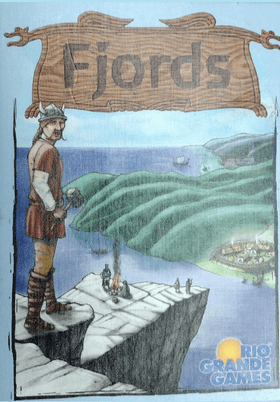
Fjords is a quiet two-player gem that I wish more people knew about, a study in elegant restraint. The game comes in two phases: first you take turns laying terrain tiles to carve out a shared Norse landscape of water, fields, and forests, then you switch to claiming that land with your homestead markers and scoring the territory you control. That split structure means the board you build together in the first half becomes the battlefield you fight over in the second, which is a deliciously clever idea. It is small, fast, and far deeper than its modest footprint suggests. It earns its spot because the whole first act is pure tile-laying, shaping a landscape from nothing. It is ideal for couples and duos who want something thoughtful that plays in twenty minutes.
Niya
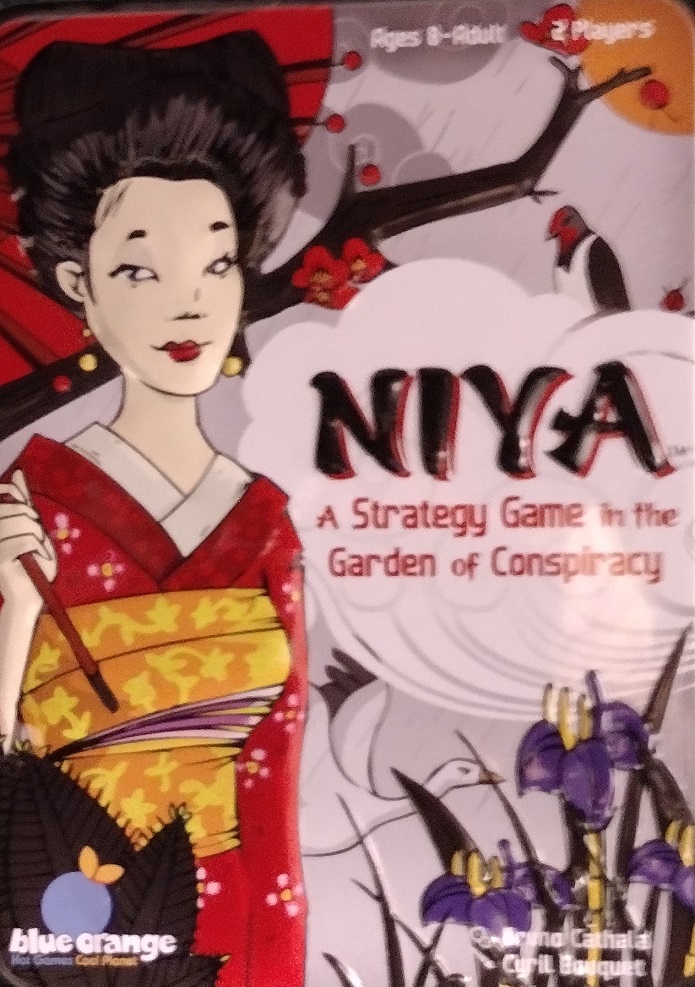
Niya is the featherweight of this bunch, a pocket-sized abstract that hides a sneaky amount of depth. You and your opponent take turns placing tokens onto a four-by-four grid of garden tiles, where each move locks in the row and column your rival must play to next, so you are constantly steering each other around the board. The goal is to line up four of your pieces or collect a matching set before your foe boxes you in, and the whole thing unfolds in just a few crisp minutes. It is gorgeous in a serene Japanese-garden way and travels anywhere, which makes it a lovely palate cleanser between heavier games. It fits here because building your position tile by tile on that little grid is exactly the kind of placement puzzle I adore. It is for two players who want something quick, pretty, and quietly cunning.
These eight have given me more lovely tabletop moments than I can count, and the best part is how different they feel despite sharing that core pleasure of drafting and placing. Whether you want a peaceful solo puzzle like Cascadia, a tense duel like Patchwork or Fjords, or a colorful crowd-pleaser like Azul, there is a build-it-up game here waiting to become your new favorite. Make a little world, sit back, and admire it. That is the whole point, and it is a very good point.
Now I want to hear from you. Which tile-laying game leaves the prettiest board on your table, and is there a hidden gem I have somehow missed? Drop it in the comments, because my shelf always has room for one more.
Related roundups: Best Cooperative Board Games and Dice Games Worth Playing
 GameShoutOut