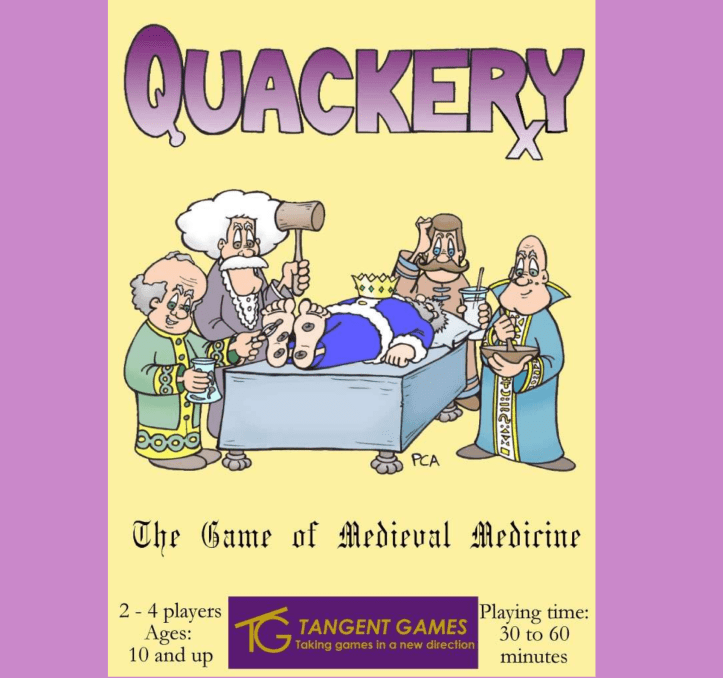
There is a small, silly theater in games that smell faintly of vinegar and old books, and Quackery sits on that stage with a grin. It is a medicine show of cards and Humour where the rules are tidy and the treatments are absurd. Read the box and you learn the system. Sit down and you discover the performance the reminds me of the Midevil Paramedic skit in Horrible Histories.
Quackery is not a deep strategic feast. The gameplay is a neat, turn-based puzzle of nudging humours up or down until a patient is either cured or succumbs. After a few rounds the rhythm becomes familiar. The mechanical heart is serviceable, readable, and clean, but it is not going to steal your late night for analysis.
Where the game sparkles is in the treatments. The cards wink at you like players with greasepaint. You are not simply moving a choleric marker one notch; you are prescribing a dramatic bloodletting, an earnest poultice, or perhaps a theatrical purge. The art and the language of the cards invite you to perform. When a ridiculous remedy actually balances a humour the table applauds, and when a patient collapses despite your best medieval theatrics everyone sighs and laughs in the same breath.
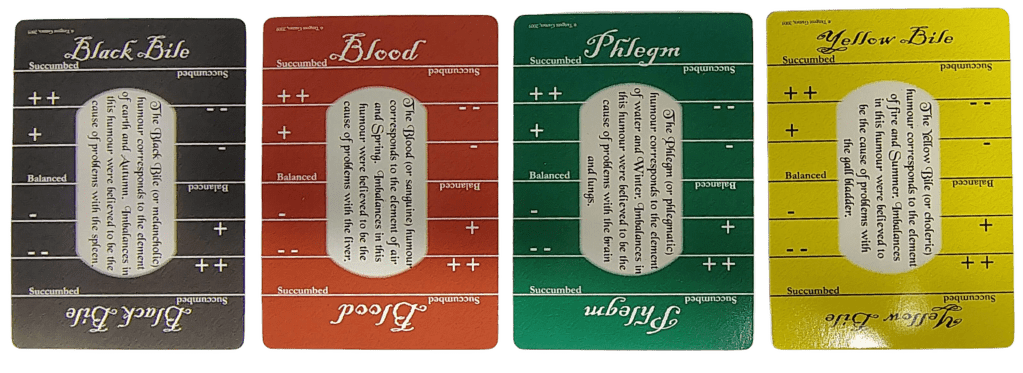
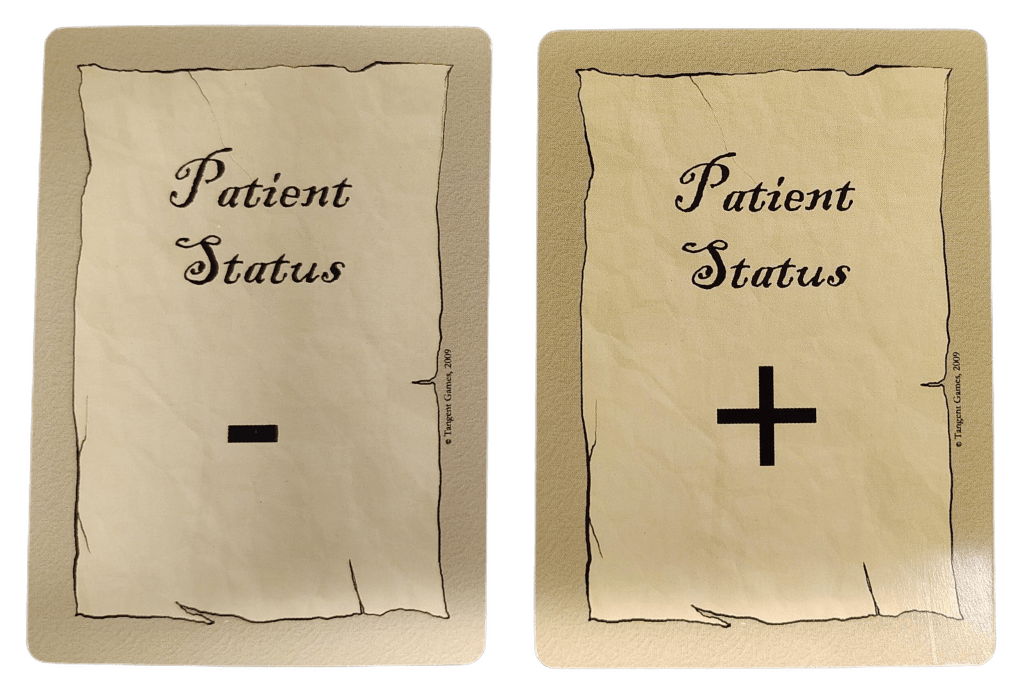
Setup is simple. Place the patient stack in the center, lay the four Humour cards with Status markers (above) at Balanced, shuffle the treatment deck, and deal hands. Each player receives a secret Quack Agenda and a Hospital area to collect cured or succumbed patients. No tokens, no coins, no fuss. Everything lives in cards and a patient’s printed value.

Play moves clockwise. The Diagnosing Quack flips a patient and sets the four humours. On your turn you take one treatment action. Use a Basic Treatment to shift a humour one step, play a Treatment card that does the work for you, or use a Quack promo ability if your card allows. After the treating player acts, others may each play one treatment card in response. When everyone passes the table resolves the new statuses. Balance all four humours and the patient is cured. Let any humour fall to Succumbed and the patient is lost. Cured or succumbed, the patient goes into someone’s Hospital and counts for points.

I nudge a choleric humour one step back. My neighbor theatrically applies bloodletting and pushes it to Balanced. I draw a card, we clap for our medieval brilliance, and the patient breathes on for another ridiculous episode. That little shared laugh is what the game sells.
If your table commits to the bit, Quackery is a riot. Speak in faux-medical tones, wag a finger over a poultice, and pretend absolute confidence. The mechanics give you the permission; the cards give you the material. If your group prefers quiet strategy, the game will be merely serviceable. For the performative table it becomes a short, gleeful comedy of errors.
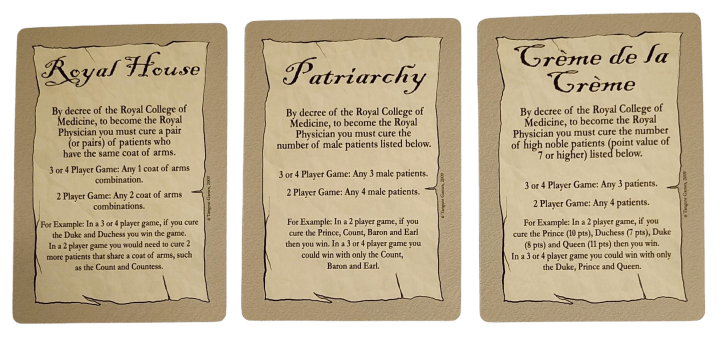
Keep Quackery as a palate cleanser or a warm-up between heavier titles. Easy to teach, quick to play, and best when everyone leans into the nonsense. Keep the leeches handy and your voice just serious enough to sell the cure.
 GameShoutOut
[…] 5. Quackery: The Game of Medieval Medicine […]
LikeLike