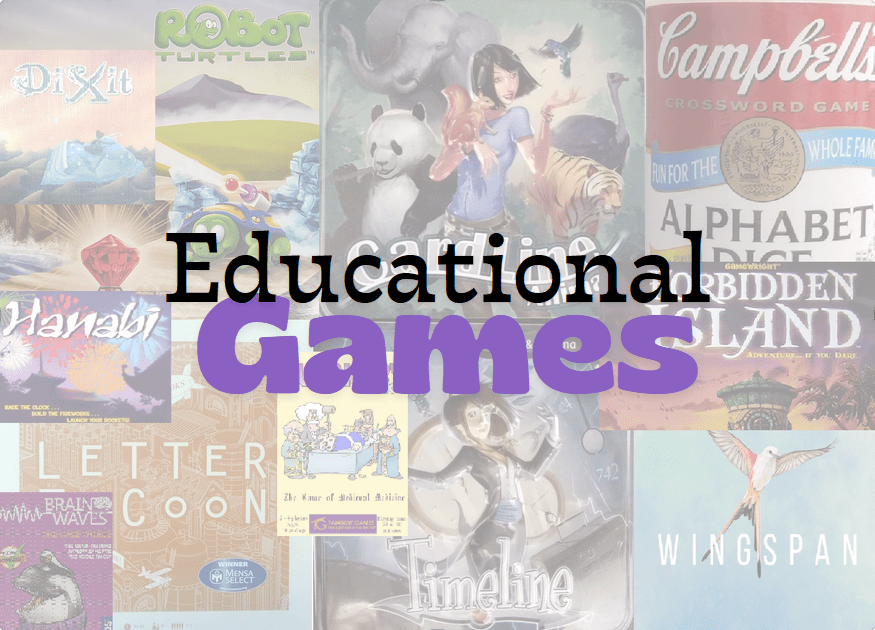
Learning doesn’t have to mean textbooks and worksheets. These board games sneak education into playtime so seamlessly that kids won’t even realize they’re building skills. Whether you’re homeschooling, supplementing classroom learning, or just want game night to do double duty, these picks deliver both fun and learning in equal measure.

1. Robot Turtles: Coding for the Youngest Gamers
Ages: 4+
Skills: Basic programming logic, problem-solving, spatial reasoning
Robot Turtles introduces preschoolers to coding concepts without a single screen in sight. Kids program their turtle’s movements using command cards, learning sequences, functions, and debugging in a playful, hands-on way. It’s the perfect starting point for future programmers, and parents act as the “computer” executing the commands – making it interactive for everyone.
Why it works: The game grows with your child, starting simple and adding complexity as they master the basics.
2. Cardline Animals: Learning the Animal Kingdom
Ages: 7+
Skills: Biology, estimation, critical thinking, geography
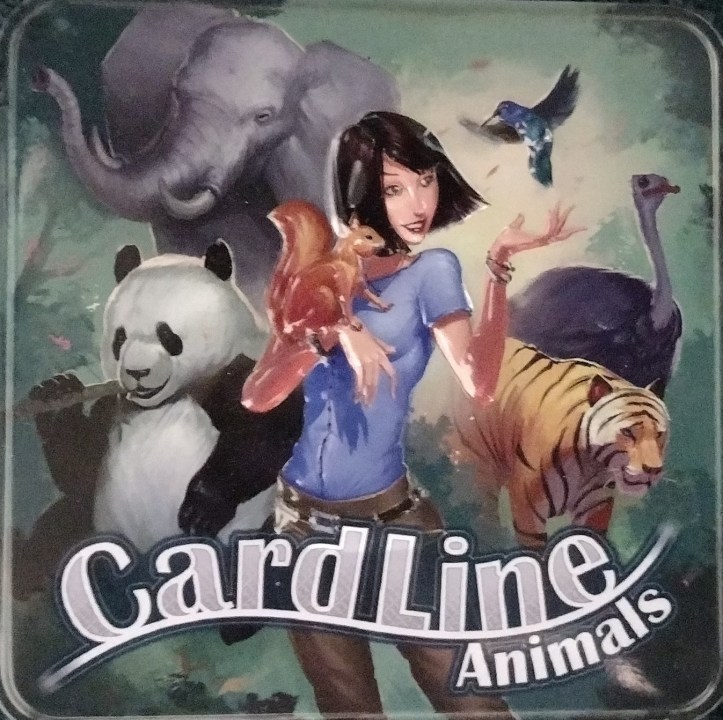
How much does a polar bear weigh compared to a lion? Is a cheetah longer than a dolphin? Cardline Animals turns animal facts into an engaging guessing game. Players arrange animal cards by size, weight, or lifespan, learning incredible facts about the natural world with every card played.
Why it works: Kids absorb hundreds of animal facts without memorization drills, and the gameplay stays engaging even after multiple plays.
3. Campbell’s Alphabet Dice Game: Literacy Through Soup

Ages: 5+
Skills: Letter recognition, vocabulary, spelling, reading
This charming game uses alphabet dice to create words, just like fishing letters out of alphabet soup. Kids roll dice and race to form words, building literacy skills while having a blast. It’s perfect for early readers and makes a great travel game too.
Why it works: The tactile element of rolling dice makes it more engaging than flashcards, and competitive play motivates kids to stretch their vocabulary.
4. Letter Tycoon: Business Meets Language Arts
Ages: 8+
Skills: Vocabulary, spelling, strategy, economics
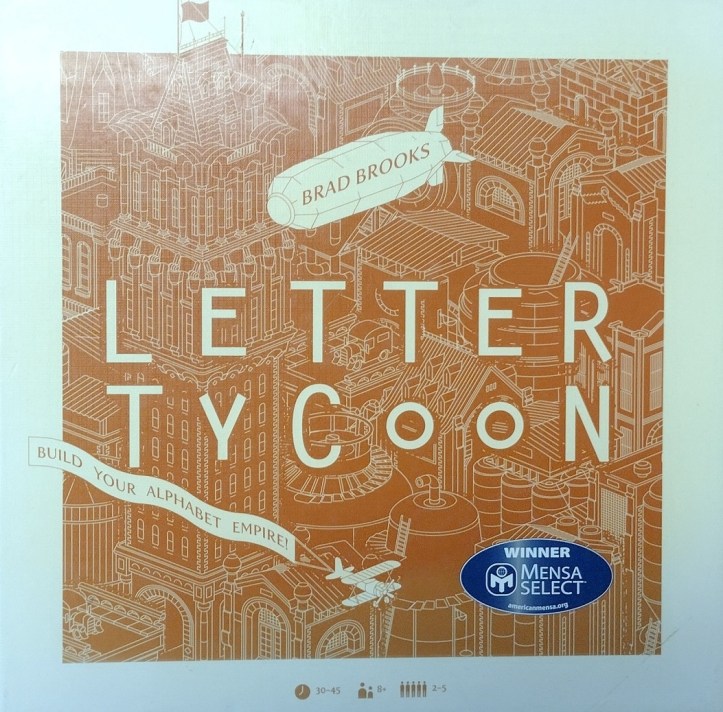
Think Scrabble meets Monopoly. Players form words to earn money, then buy patents on individual letters to earn royalties whenever opponents use them. It’s capitalism meets vocabulary building, teaching both language skills and basic economic concepts.
Why it works: The patent mechanic adds strategic depth that keeps older kids and adults engaged while building impressive vocabularies.
5. Quackery: The Game of Medieval Medicine
Ages: 10+
Skills: History, critical thinking, medieval medicine knowledge
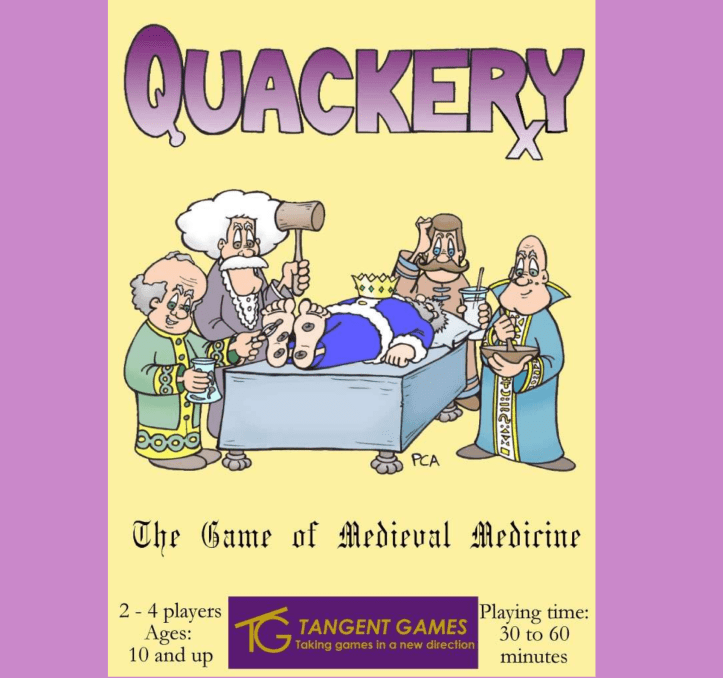
Step into the shoes of a dubious medieval doctor peddling questionable cures. While the theme is humorous, the game teaches real historical facts about medical practices, beliefs, and treatments from the Middle Ages. Kids learn history through laughter and strategy.
Why it works: The silly premise makes history memorable, and the game sparks conversations about how medicine has evolved.
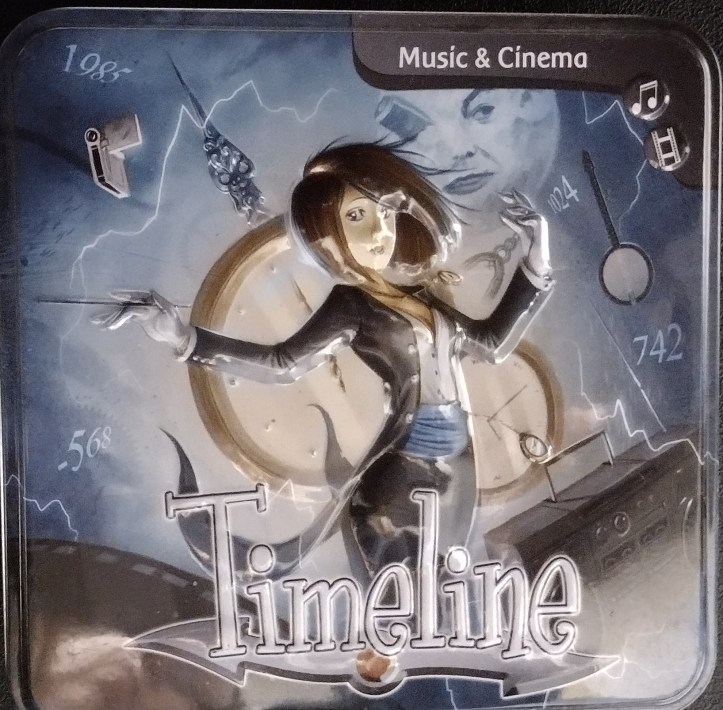
6. Timeline: Music & Cinema
Ages: 8+
Skills: Historical knowledge, chronological thinking, cultural literacy
When was the first movie made? Did the Beatles come before or after MTV? Timeline challenges players to place cultural events in chronological order. It’s a fantastic way to build historical context and cultural knowledge across music and film history.
Why it works: Visual learning combined with competitive play helps dates and events stick in memory.
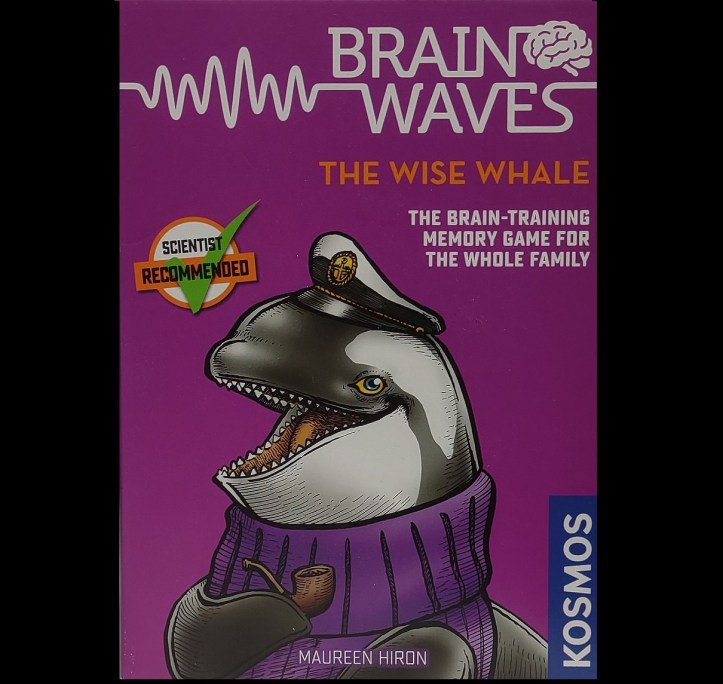
7. Brainwaves: The Wise Whale (Memory & Deduction)
Ages: 8+
Skills: Memory, pattern recognition, cooperative thinking
This clever memory game disguises serious brain training as underwater adventure. Players work together to remember sequences and make deductions, building working memory and cognitive flexibility. It’s based on neuroscience research but feels like pure fun.
Why it works: Cooperative gameplay removes pressure while still challenging memory and reasoning skills.

8. Bananagrams Español: Learn Spanish While Playing
Ages: 7+
Skills: Spanish vocabulary, spelling, language acquisition
Take the fast-paced word-building fun of Bananagrams and add language learning. Players create crossword grids using Spanish words, building vocabulary naturally through gameplay. It works for Spanish learners at any level, from beginners to fluent speakers.
Why it works: The speed element keeps energy high, and the personal grid means everyone plays at their own level.
9. 7 Wonders: Ancient Civilizations Come Alive
Ages: 10+
Skills: History, strategic thinking, resource management, ancient civilizations
Build one of the seven wonders of the ancient world while learning about historical civilizations, architecture, and trade. The game teaches resource management, historical context, and strategic planning through elegant card-drafting mechanics.
Why it works: Complex strategy keeps the whole family engaged while sneaking in history lessons about Rome, Greece, Egypt, and more.

Wingspan: Science Comes to Life
Ages: 10+
Skills: Ornithology, habitat knowledge, reading comprehension, strategic planning, ecosystem understanding
This isn’t just a game – it’s an interactive field guide to North American birds. Each card features real birds with accurate facts about their habitats, food sources, wingspans, and behaviors. Players build ecosystems while learning which birds live in forests versus grasslands, what they eat, and how they interact with their environment. The game requires reading and understanding each bird’s abilities, building both science knowledge and reading comprehension.
Why it works: Kids absorb real scientific information about 170+ bird species while playing, and the beautiful artwork makes ornithology accessible and engaging. Parents report kids spontaneously identifying birds they learned from the game when they see them in real life.
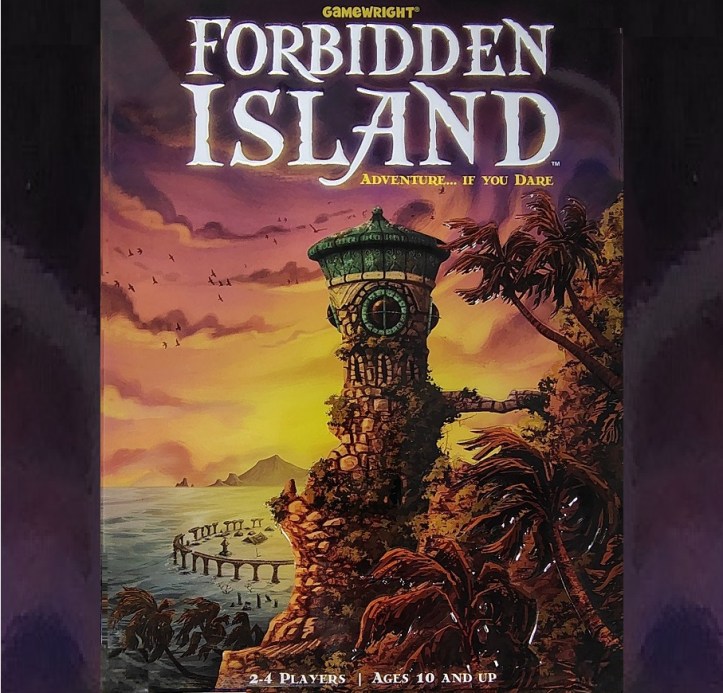
Forbidden Island: Cooperation Under Pressure
Ages: 10+
Skills: Strategic planning, cooperation, problem-solving, risk assessment, teamwork
The island is sinking and players must work together to collect treasures and escape before it’s too late. Every decision matters – should you shore up the flooding areas or race for treasures? This cooperative game teaches kids to communicate clearly, plan ahead, assess risks, and work as a team. There’s no single leader – everyone’s input matters, and success requires genuine collaboration.
Why it works: Cooperative gameplay teaches communication and teamwork without the stress of competition. Kids learn to think several moves ahead and adapt when plans fall apart – essential life skills wrapped in adventure.

Hanabi: Memory Meets Logic
Ages: 8+
Skills: Memory, deductive reasoning, communication, cooperation, strategic thinking
In this unique cooperative game, players hold their cards backward – everyone can see your hand except you. Players must give each other clues to help play cards in the right order, building memory skills, deductive reasoning, and precise communication. It’s like a puzzle that requires the whole team’s brainpower, teaching kids to pay attention, remember information, and think logically.
Why it works: The backwards-cards mechanic forces kids to practice working memory and logical deduction in every turn. They learn to give clear, useful information and to piece together clues – skills that transfer directly to academic work.

Dixit: Storytelling and Interpretation
Ages: 8+
Skills: Creative expression, visual literacy, communication, interpretation, abstract thinking
Players take turns being the storyteller, giving a clue (a word, phrase, or sound) about one of their beautifully illustrated cards. Others try to guess which card matches while the storyteller tries to be just clear enough that some (but not all) players guess correctly. It teaches kids to think abstractly, communicate creatively, and consider different perspectives – the same image can mean completely different things to different people.
Why it works: There are no wrong answers in Dixit, making it perfect for kids who struggle with “correct answer” pressure. It builds creative thinking, communication skills, and the understanding that people interpret the same information differently – a crucial social-emotional skill.
Tips for Game-Based Learning
Make it Regular: Game night once a week builds more skills than occasional marathon sessions.
Don’t Lecture: Let the learning happen naturally. Resist the urge to turn every game into a lesson.
Play Together: Adult participation shows that learning is lifelong and games matter.
Let Them Win (Sometimes): Confidence builders become better learners. Don’t always play at full strength with young kids.
Follow Their Interests: A reluctant reader who loves dinosaurs might engage more with Dinosaur Tea Party than a “better” educational game about grammar.
The Bottom Line
These games prove that education doesn’t require workbooks or worksheets. The best learning happens when kids are engaged, challenged, and having fun. Whether you’re building vocabulary with Letter Tycoon, learning animal facts with Cardline, or exploring medieval history with Quackery, these games deliver genuine educational value wrapped in entertainment.
The secret? Kids develop critical thinking, literacy, numeracy, and social skills while playing – and they’ll ask to play again tomorrow.
Looking for more educational games? Check out our homeschool games collection for additional picks perfect for supplementing your curriculum or adding enrichment to traditional education.
What educational games have worked well for your family? Drop a comment and let us know!
 GameShoutOut