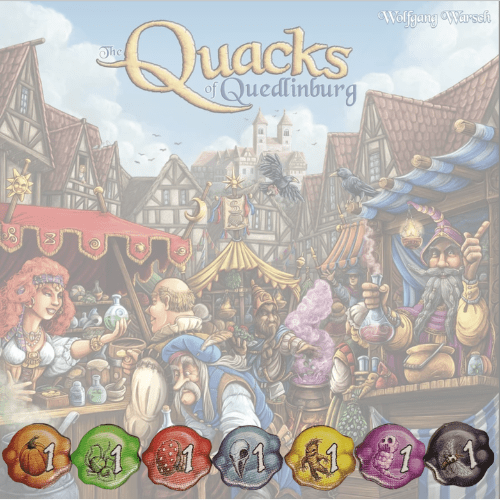
When stepping into the bustling markets Quacks of Quedlinburg, every potion master must carefully choose the ingredients that will make—or break—their bubbling brews. With each ingredient offering unique powers, understanding their strengths and synergies is key to mastering the art of potion-making. I’ll break down each ingredient in the base game, explore how player count affects strategy, and finally, analyze how different ingredients enhance each other when used wisely.
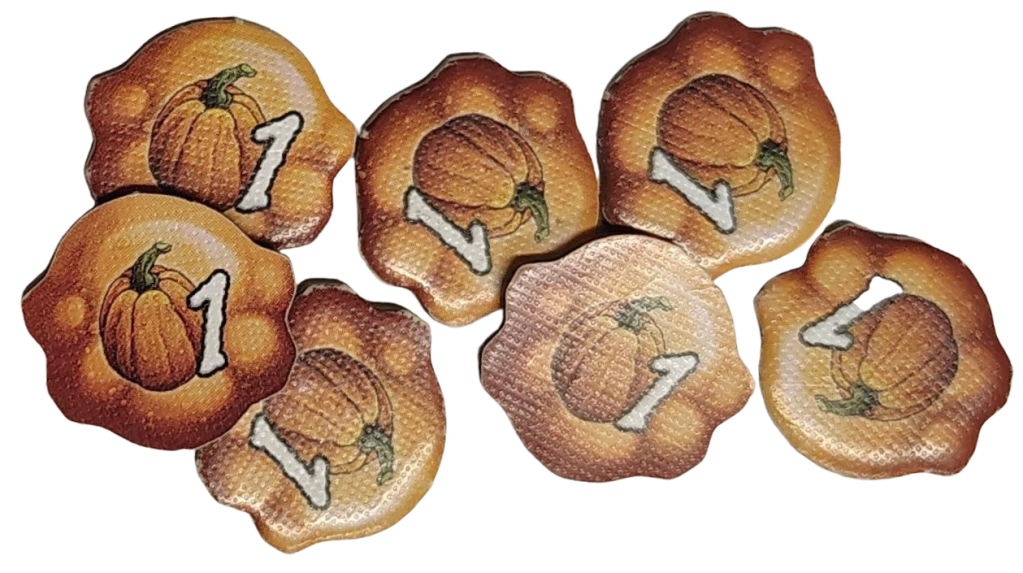
Pumpkin
Effect: No special ability—just a basic filler ingredient.
Strategic Use: Early in the game, pumpkins help stabilize your bag, ensuring that you don’t pull too many white cherry bombs (which cause your pot to explode). They also provide a solid foundation for later bonuses that reward you for using them.
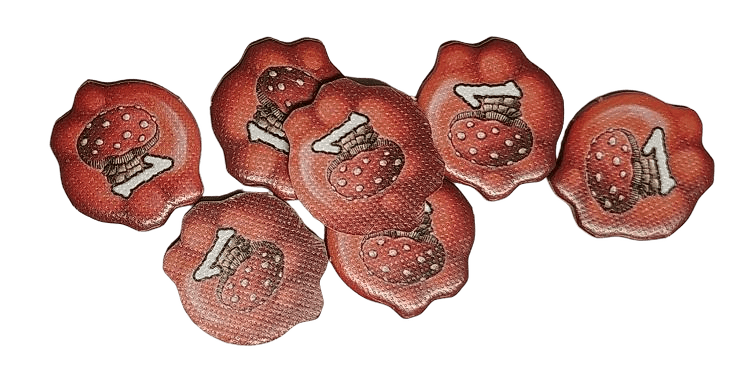
Toadstool
Effect: Provides bonus points at the end of the round based on how many red ingredients you’ve played.
Strategic Use: Ideal for a slow-and-steady approach, toadstools are best used by players who like to accumulate small but reliable point gains over multiple rounds.
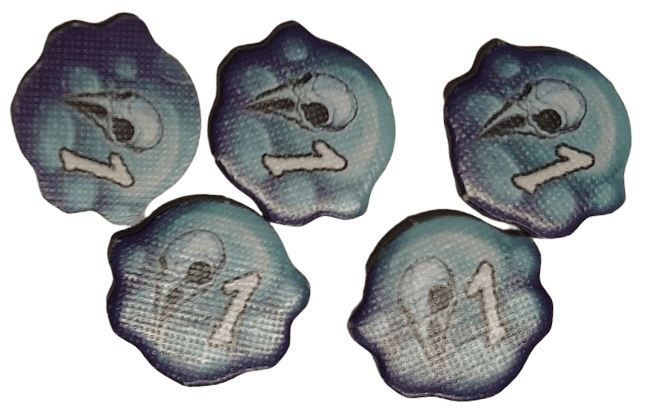
Crow Skull
Effect: Varies based on the book used, but usually allows some form of extra chip draw or placement flexibility.
Strategic Use: Crow skulls shine in larger player counts where you can gain an edge by drawing more ingredients or controlling their placement to maximize other ingredient effects.
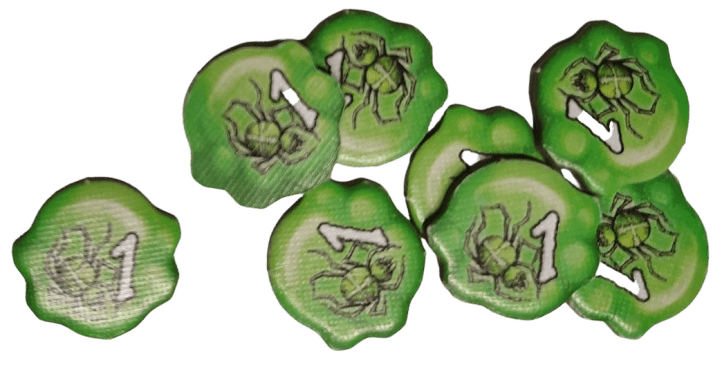
Garden Spider
Effect: Provides bonus effects when placed in certain positions within your pot.
Strategic Use: A precise and tactical ingredient, garden spiders are great for players who plan ahead and want control over their brewing sequence.
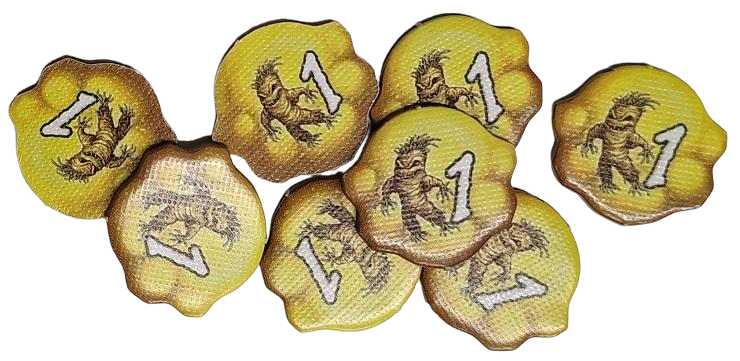
Mandrake
Effect: Often interacts with other players, such as letting you remove a white cherry bomb after a specific condition is met.
Strategic Use: More impactful in 3-4 player games, where interacting with opponents can disrupt their strategies. In a 2-player game, mandrakes become a more defensive pick.
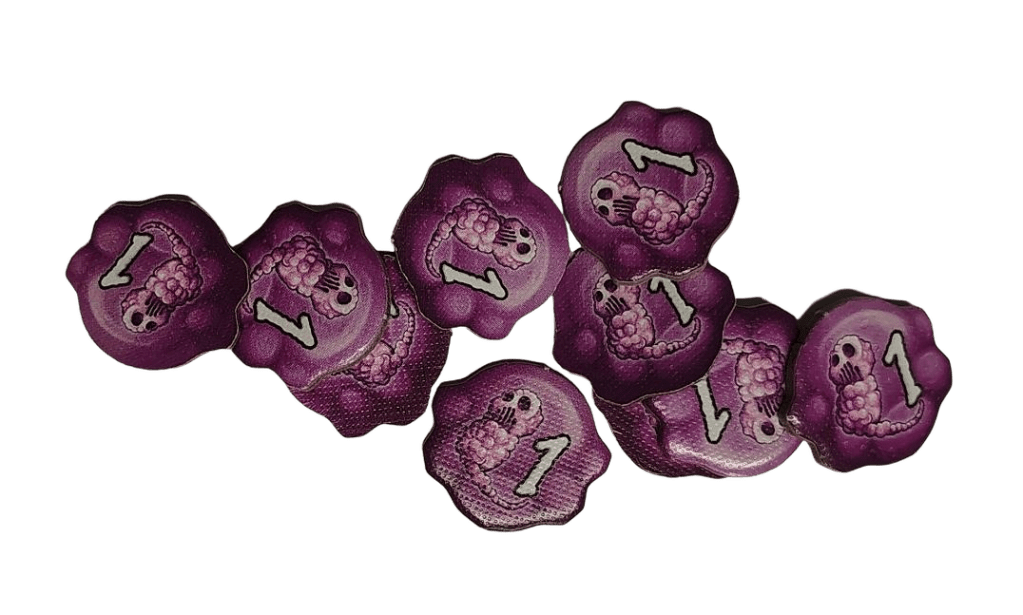
Ghost’s Breath
Effect: Usually provides a way to prevent explosions or gain extra control over ingredient placement.
Strategic Use: An insurance policy against bad luck, ghost’s breath is great for players who like to push their luck but need a safety net.

Powerful Ingredient Combinations
Now that we understand the individual ingredients, let’s explore how they work together for maximum effect.

Garden Spider + Crow Skull: The Precision Play
Garden spiders reward careful placement, and crow skulls give you extra control over ingredient placement. Combining these allow you to maximize your ingredient bonuses while maintaining control over your pot.


Ghost’s Breath + Mandrake: Risk Management
Ghost’s breath prevents explosions, while mandrakes remove dangerous cherry bombs. Together, they make a great combination for players who love to push their luck while minimizing risk.
Understanding the ingredients in Quacks of Quedlinburg is the first step toward becoming a master potion-maker. By carefully selecting ingredients that complement each other and adjusting your strategy based on player count, you can maximize your chances of success.
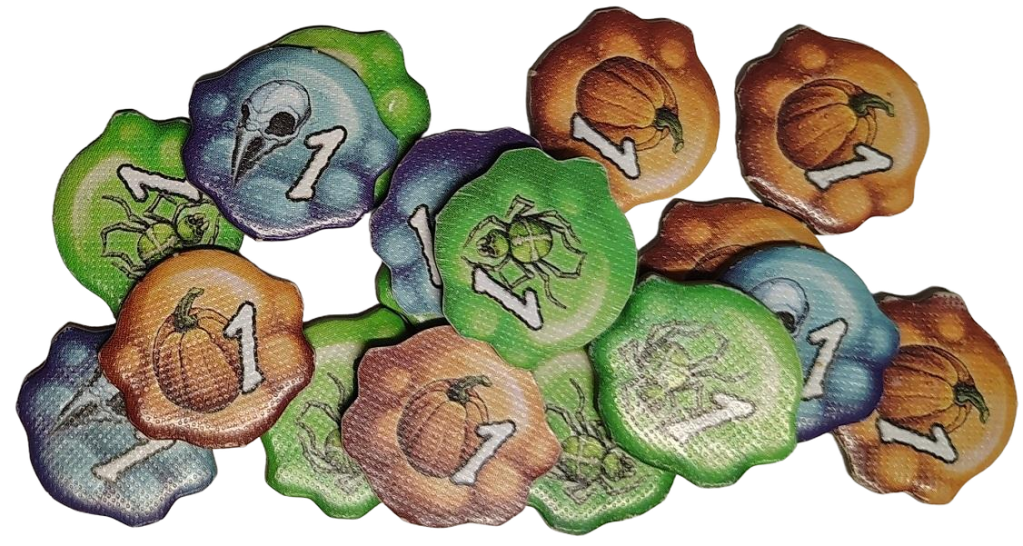
Player count does affect the strategy. If you are playing with one other player, the game is more controlled. Defensive strategies (like mandrake) are weaker, while consistent point-gaining ingredients (like toadstool) shine. If you are playing a three or four player game, the game becomes more chaotic and there is a higher chance of player interaction. Ingredients that allow flexibility (like crow skull) and opponent disruption (like mandrake) become much more valuable.
This site uses affiliate links. To purchase, use the following link: https://amzn.to/4ieT5OS
 GameShoutOut